
Songs for When Your Cat Dies: A Soft Acoustic Playlist to Discover New Artists
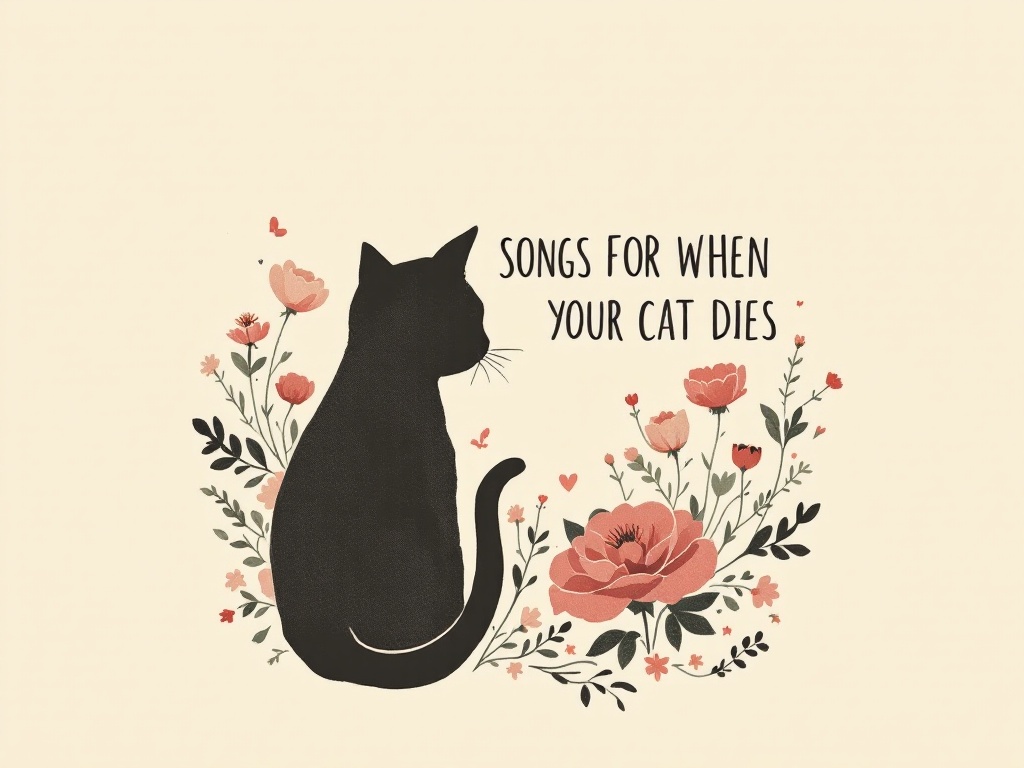
Losing a cat is losing a quiet presence. Cats aren't like other pets—they don't follow you around demanding attention or greet you at the door with unbridled enthusiasm. Instead, they exist in their own world, and if you're lucky, they let you be part of it. They sit on your lap while you work. They sleep on your pillow. They purr when you need comfort, even if you didn't ask for it. And when they're gone, that quiet companionship leaves a hole that's somehow deeper than you expected.
If you're here because you've lost a cat, I want you to know that what you're feeling is completely valid. Cat loss is real grief. Your cat wasn't "just a pet"—they were a presence, a routine, a being who loved you in their own independent, dignified way. And that bond deserves to be grieved fully.
This playlist—Songs for When Your Cat Dies—was created for exactly this moment. It's a collection of soft acoustic songs that honor the unique bond between humans and cats. These are songs about love, loss, memory, and the quiet ache of missing someone who chose to be near you. We've curated this to help you discover new artists while you grieve, and to create space for whatever emotions need to move through you right now.
The Unique Grief of Losing a Cat
Cats are different. They're independent, mysterious, and they love on their own terms. This is part of what makes them so special—and part of what makes losing them so hard.
Your cat didn't need you the way a dog needs you. They didn't depend on you for their entire sense of purpose and identity. But they chose you anyway. They chose to sit near you. They chose to purr when you were sad. They chose to be in your space, in their own quiet way. And that choice—that selective, independent love—is profound.
When you lose a cat, you're losing that quiet companionship. You're losing the sound of their purr. You're losing the weight of them on your lap. You're losing the way they knew your moods and would appear when you needed them most. You're losing a being who was fully themselves and asked you to love them as they were.
There's something about cat grief that feels different. It's quieter, maybe. More introspective. Cats themselves are introspective creatures, and grieving them can feel like sitting in that same quiet space they occupied. Music can be a companion in that quietness. A soft acoustic song doesn't try to fix your grief or tell you to move on. Instead, it says: I understand. This matters. Your sadness is allowed here. That's what this playlist does.
The artists featured here are creating deeply personal work about loss, love, and memory. By listening, you're not just finding comfort; you're also discovering new artists who understand what it means to love a being who loves you quietly and completely. Some of these musicians may become part of your healing soundtrack.
What You'll Find in This Playlist: Soft Acoustic Songs for Cat Loss
This playlist honors the specific experience of losing a cat. You'll find:
Tender singer-songwriter tracks about the bond between humans and cats
Reflective songs about loss and memory that speak to quiet grief
Instrumental and near-instrumental pieces for when you need music without words
Cathartic songs that let you feel everything without judgment
Gentle melodies that soothe rather than overwhelm
Honest lyrics about saying goodbye to a being who was fully themselves
The mood throughout is contemplative and emotionally honest. These aren't upbeat songs trying to cheer you up. They're songs that sit with you in the sadness, validate it, and sometimes help you move through it. Some tracks are quiet enough to play while you're doing everyday things. Others demand your full attention and a box of tissues.
For Listeners: How to Use This Playlist When You're Grieving
If you're listening because you've lost a cat, here are some ways people have found this playlist helpful:
Late at night when the house feels too quiet. Cats are often most active and affectionate in the evening and early morning. Those quiet hours can be the hardest. This playlist is perfect for those moments when you need something gentle to fill the space.
While you're doing something with your hands. Many listeners play this while journaling, drawing, organizing, or sitting outside. The music becomes a container for your emotions while you process them.
When you see their favorite spot empty. That corner of the couch, that sunny windowsill, that spot on your bed—those empty spaces hit hard. This playlist helps you through those moments.
When you want to cry but don't know how to start. There's something about the right song at the right moment that can unlock tears you've been holding. These songs are designed to do that gently.
As a memorial. Some people listen on the anniversary of their cat's passing, or while looking through photos. It becomes a way to honor the memory and the relationship.
When you're ready to remember the good stuff. Grief isn't linear. Some days you're devastated. Other days, you can smile at a memory of their quirks and personality without it breaking you. This playlist works for both.
There's no "right way" to grieve, and there's no timeline. Listen to this however feels true for you.
For Indie Musicians: How to Submit to Music Playlists Like This One
If you're an indie musician reading this, you might be wondering: How do I get my music on playlists like this? How do I submit to music playlists?
Here's the truth: playlist placement is one of the most powerful ways to discover new artists and reach listeners who genuinely connect with your work. When someone adds your song to a playlist they love, it's not just a number—it's a real person choosing to carry your music with them. And playlists like this one exist specifically to shine a light on emerging artists creating meaningful work.
How to submit to music playlist opportunities:
The first step is identifying playlists that match your sound and message. If you're creating soft acoustic music about grief, loss, memory, or emotional themes, playlists like ours are a natural fit. Look for curators who are actively accepting submissions and who seem genuinely invested in their playlists.
Once you've found playlists you want to pitch to, most curators accept submissions through platforms like SubmitHub, Spotify for Artists, or direct submission forms on their websites. At Playlist Fire, we accept submissions directly through our platform, and we listen to every single one. We're looking for artists who are creating authentic, heartfelt work—exactly like what you're probably making if you're reading this.
When you submit to music playlists, remember that curators are looking for songs that fit the vibe and story of their playlist. A soft acoustic song about loss fits perfectly here. A high-energy electronic track probably doesn't. That's not a judgment on quality—it's just about fit. So choose your playlists strategically and submit your best work.
Submission Tips: How to Get Your Song Considered for Playlist Placement
If you're serious about getting your music on playlists, here are some things that help:
Make sure your metadata is clean. Your song title, artist name, genre tags, and release date should all be accurate and professional. Curators notice when this stuff is sloppy, and it can work against you.
Choose the right genre tags. If your song is soft acoustic indie folk, tag it that way. Don't try to game the system by tagging it as "pop" or "electronic" just to get more visibility. Curators want accurate information so they can find the right homes for songs.
Write a thoughtful pitch. If the submission platform allows you to add a note, use it. Tell the curator why your song fits this specific playlist. Show that you've actually listened to it and that you understand the vibe. A personal, genuine pitch goes a long way.
Release strategically. If you're planning a release, consider timing it with playlist pitching. Many curators prefer to add songs that are newly released (within the first few weeks). Plan ahead so you can submit when your song is fresh.
Be patient and persistent. Not every submission will result in a playlist add, and that's okay. Keep creating, keep submitting, and keep improving. The more playlists you pitch to, the more opportunities you create for yourself.
Create music that matters. This is the most important one. The best way to get your music on playlists is to create songs that are genuinely good and emotionally honest. If you're making music about real experiences and real feelings—like the grief of losing a beloved cat—that authenticity will shine through and resonate with curators and listeners alike.
FAQ: Questions About Cat Loss, Music, and Playlist Submissions
What are the best songs for when your cat dies?
The best songs are the ones that resonate with your specific experience and emotions. This playlist contains tracks that many people have found comforting during cat loss, but your personal favorites might be different. The "best" song is the one that makes you feel less alone.
Are there songs specifically about losing a cat?
Yes, and this playlist includes several. Some are explicitly about cats, while others are about loss and grief more broadly—which can feel just as relevant when you're grieving a feline companion. The emotional experience of losing a beloved cat is unique, and these songs honor that.
How can music help with grief after losing a cat?
Music validates emotions without trying to fix them. It can help you process grief, create space for tears, and remind you that others have felt this way too. There's also something about melody and rhythm that can soothe the nervous system when you're in acute pain.
What kind of songs fit a cat loss or grief playlist?
Soft acoustic, reflective, and emotionally honest songs tend to work best. Think singer-songwriter, indie folk, ambient, and alternative music with introspective lyrics. The song should feel like it understands sadness and loss, not like it's trying to cheer you up.
Where can indie artists submit songs to playlists?
Indie artists can submit to playlists through several channels: SubmitHub, Spotify for Artists, direct submission forms on curator websites (like ours), and by reaching out to curators directly on social media. Each playlist has its own submission process, so check the curator's website or social media for instructions.
Can I submit my song even if it's not explicitly about cats?
Absolutely. If your song is about loss, grief, love, memory, or emotional release—and it has that soft, acoustic, reflective quality—it could be a great fit. We're looking for songs that capture the emotional experience of grief, regardless of the specific subject matter.
Ready to Share Your Music? Submit to Music Playlist Opportunities Today
If you're an indie musician creating soft acoustic, reflective music about grief, loss, or emotional themes, we want to hear from you. This playlist exists to discover new artists and to create a space where meaningful music can be heard by people who need it.
Submit your song to Playlist Fire today: https://playlistfire.com/submit/
When you submit to music playlists like ours, you're not just trying to get streams—you're connecting your work with listeners who will genuinely appreciate it. You're creating the possibility that someone in the middle of their grief will hear your song and feel less alone. That's powerful.
We listen to every submission. We care about the quality of the music and the authenticity of the artists behind it. If your song fits the vibe of this playlist and speaks to the human experience of loss and healing, we want to add it.
A Note to Anyone Grieving a Cat Right Now
If you're here because you've lost a cat, I want to say it one more time: what you're feeling is valid. The bond between a human and their cat is real and profound. Your cat loved you in their own way—quiet, independent, and completely genuine. That bond mattered. The grief is real. And you're allowed to feel it fully, for as long as you need to.
This playlist is here for you. Listen to it however feels right. Let it sit with you in the sadness. Let it help you cry if you need to. And when you're ready, let it remind you of the beautiful, irreplaceable love you shared with your cat.
And if you find an artist on this playlist whose work speaks to your heart, let them know. Artists pour themselves into their work, and knowing that their music touched someone during a difficult time is one of the most meaningful things that can happen to them.
Thank you for being here. Thank you for loving your cat so much that losing them hurts this deeply. That love was real, and it mattered.