
LoFi Jazz Restaurant Music
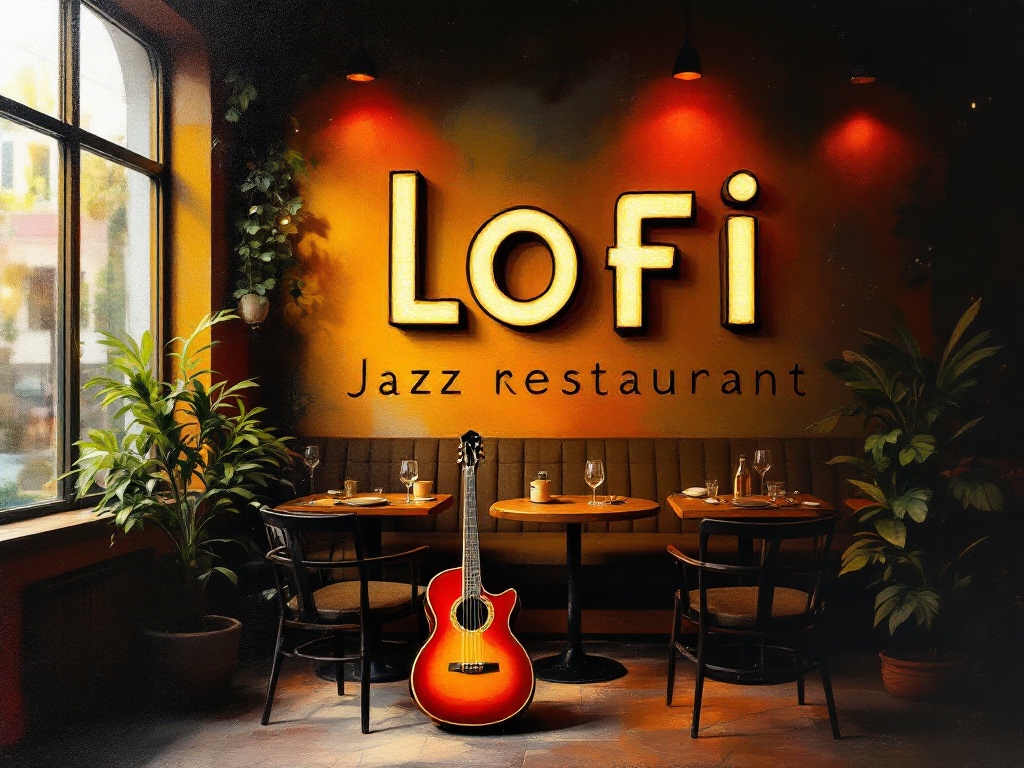
You walk into an upscale restaurant. The lighting is warm. The food looks exceptional. The service is attentive. But something elevates the entire experience—the background music. It's sophisticated without being stuffy. It's warm without being sentimental. It's contemporary yet timeless. It's jazzy lo-fi, and it's transforming how upscale restaurants create ambiance.
Or you're a wine bar owner. You've curated an exceptional wine list, created an inviting space, trained your staff impeccably. But you want the music to reflect your commitment to quality and thoughtfulness. You want something that says, "We care about every detail—including the soundtrack."
Or you're a jazzy lo-fi producer. You've been making beautiful music that blends jazz sophistication with lo-fi warmth. You know it works for restaurants, wine bars, cocktail lounges. But you're wondering: how do you position your music specifically for hospitality? What are restaurants actually seeking? How do you submit to curators who understand the power of jazzy lo-fi?
LoFi jazz restaurant background music is the answer. It's the sound of upscale ambiance done right—sophisticated, warm, elegant, and completely unpretentious. It's jazz sophistication meets lo-fi authenticity, creating the perfect backdrop for meaningful meals and moments.
This guide covers everything you need to know about lofi jazz for restaurants—what jazzy lo-fi is and why it works for upscale dining, how to use jazzy lo-fi across different restaurant and hospitality contexts, how to build a jazzy lo-fi restaurant playlist that flows beautifully, and how jazzy lo-fi producers can create restaurant-ready tracks and submit to curators actively seeking this music.
What Is Jazzy Lo-Fi?
Jazzy lo-fi is the intersection of two musical aesthetics: jazz sophistication and lo-fi warmth. It's lo-fi production that incorporates jazz elements—jazz chords, jazz harmony, jazz instrumentation, jazz samples, or jazz-influenced composition—creating music that feels both contemporary and timeless, warm and sophisticated.
The Fusion: Jazz brings harmonic complexity, emotional depth, and a sense of authenticity rooted in improvisation and human performance. Lo-fi brings warmth, accessibility, and a background-first approach that never demands full attention. When these aesthetics merge, you get music that's sophisticated without being pretentious, warm without being sentimental, and elegant without being cold.
Jazz Elements in Lo-Fi: Jazzy lo-fi typically features:
Jazz chords and harmony: Complex, warm chord progressions that create emotional depth
Jazz instrumentation: Live piano, saxophone, trumpet, upright bass, drums, or other jazz instruments
Jazz samples: Sampled horn sections, vocal phrases, or classic jazz recordings woven into lo-fi beats
Swing feel: Subtle rhythmic swing that creates a sense of ease and sophistication
Improvisation-inspired composition: Music that feels organic and human, not mechanical
Emotional authenticity: Jazz's commitment to genuine emotional expression, combined with lo-fi's restraint
Why Jazzy Lo-Fi Works: Jazzy lo-fi creates a specific kind of ambiance—one that signals quality, thoughtfulness, and sophistication. It says, "We care about every detail, including the music." It's warm enough to feel inviting and human, sophisticated enough to elevate the experience, and restrained enough to support conversation and dining without demanding attention.
The Jazz Ingredients: What Makes Lo-Fi "Jazzy"
Not all lo-fi is jazzy. Understanding the specific elements that make lo-fi jazz-forward helps you curate, create, and appreciate this subgenre.
Jazz Harmony and Chords: Jazzy lo-fi uses jazz chord progressions—extended chords (sevenths, ninths, elevenths), chromatic movement, and harmonic sophistication that create warmth and emotional depth. These chords feel richer and more complex than standard pop harmony, creating a sense of refinement.
Live Jazz Instruments: Some jazzy lo-fi features live recorded jazz instruments—piano, saxophone, trumpet, upright bass, vibraphone, or drums. These live recordings, often lo-fi recorded or intentionally warm-sounding, add organic authenticity and human warmth that sampled instruments can't replicate.
Jazz Samples: Other jazzy lo-fi uses sampled jazz—classic horn sections, vocal phrases, or instrumental passages from jazz recordings. These samples are woven into lo-fi beats, creating a dialogue between classic jazz and contemporary lo-fi production.
Swing Feel and Groove: Jazzy lo-fi often incorporates swing—a subtle rhythmic feel that creates ease and sophistication. Swing feel makes music feel less mechanical and more human, more like a musician playing for you than a machine producing sound.
Improvisation-Inspired Composition: Jazz is rooted in improvisation. Jazzy lo-fi captures this spirit—music that feels like it's being created in the moment, with space for spontaneity and human expression. This creates a sense of authenticity and warmth.
Restraint and Space: Like all lo-fi, jazzy lo-fi maintains space and restraint. It's not jazz fusion or complex jazz—it's jazz elements combined with lo-fi's minimalism, creating music that's sophisticated but never overwhelming.
Why Jazzy Lo-Fi Works in Restaurants
Jazzy lo-fi has become the sound of upscale restaurants, wine bars, cocktail lounges, and fine dining establishments. There are specific reasons why this fusion works so perfectly for hospitality.
Sophistication Without Pretentiousness: Jazzy lo-fi signals quality and thoughtfulness without feeling stuffy or pretentious. It says, "We care about details," not "We're trying too hard." This is crucial for upscale hospitality—you want to elevate the experience, not intimidate guests.
Warmth and Authenticity: Jazz's commitment to human expression and lo-fi's warmth combine to create music that feels genuine and inviting. Guests feel welcomed and cared for, not distant or formal.
Conversation-Friendly: Jazzy lo-fi has enough rhythmic and harmonic interest to create genuine ambiance, but enough restraint to let conversation flow naturally. Guests can talk, laugh, and connect without the music demanding attention.
Timeless Quality: Jazz is timeless. Lo-fi is contemporary. Together, they create music that feels both current and enduring—not trendy, but genuinely sophisticated.
Emotional Consistency: Jazzy lo-fi maintains emotional stability throughout. There are no sudden shifts, no jarring moments, no surprises. This consistency creates a sense of trust and reliability—guests feel supported and cared for.
Reflects Your Commitment to Quality: When restaurants choose jazzy lo-fi, they're making a statement: "We care about every detail—including the music." This attention to detail becomes part of your brand identity.
Jazzy Lo-Fi for Different Restaurant Types
Fine Dining
Fine dining restaurants benefit from jazzy lo-fi that feels refined, elegant, and emotionally sophisticated. Choose jazzy lo-fi with live jazz instruments, complex harmony, and a relaxed but refined pace. The music should feel like a natural extension of your culinary excellence.
Wine Bars
Wine bars are perfect jazzy lo-fi spaces. The social, relaxed vibe of wine bars pairs beautifully with jazzy lo-fi's warmth and sophistication. Choose jazzy lo-fi with soulful elements, warm piano, or smooth saxophone. The music should complement wine and conversation without competing for attention.
Cocktail Lounges
Cocktail lounges benefit from jazzy lo-fi that feels sophisticated, intimate, and slightly energetic. Choose jazzy lo-fi with swing feel, warm instrumentation, and a sense of ease. The music should create an atmosphere of relaxed sophistication—perfect for cocktails and conversation.
Upscale Bistros
Upscale bistros benefit from jazzy lo-fi that feels warm, approachable, and refined. Choose jazzy lo-fi that's slightly less formal than fine dining but more sophisticated than casual restaurants. The music should feel like a warm friend keeping you company.
Jazz Cafes
Jazz cafes benefit from jazzy lo-fi that celebrates jazz heritage while feeling contemporary. Choose jazzy lo-fi that honors classic jazz while incorporating modern production. The music should feel like a conversation between past and present.
Late-Night Dining Spots
Late-night restaurants benefit from jazzy lo-fi that feels intimate, relaxed, and sophisticated. Choose jazzy lo-fi with a slightly slower pace, warm instrumentation, and emotional depth. The music should create a sense of calm sophistication perfect for late-night dining.
Building a Jazzy Lo-Fi Restaurant Playlist
Creating a jazzy lo-fi restaurant playlist is both art and strategy. You're not just selecting songs; you're creating an experience that evolves throughout service.
Energy Mapping by Daypart: Think about how energy shifts throughout service. Lunch might call for slightly more energetic jazzy lo-fi as guests arrive and settle in. Dinner might soften into more intimate, relaxed jazzy lo-fi as the evening progresses. Late-night might feature the most intimate, sophisticated selections.
BPM Consistency: Keep your playlist within a consistent BPM range (typically 80-100 for jazzy lo-fi). Consistency in tempo creates flow and coherence. Sudden tempo shifts can feel jarring and break the ambiance.
Instrumental vs. Vocal Balance: Pure instrumental jazzy lo-fi provides maximum flexibility for conversation. If vocals are present, keep them minimal and soft—integrated into the texture rather than prominent. A mix of 80-90% instrumental and 10-20% soft-vocal jazzy lo-fi often works well.
Smooth Transitions: Pay attention to how tracks transition into each other. Choose tracks that flow naturally, where the end of one feels like a bridge to the next. Abrupt changes in mood or instrumentation can startle diners.
Track Length: Longer tracks (4-6 minutes) work better for restaurants than shorter tracks. They create continuity and reduce the number of transitions, maintaining consistent ambiance.
Avoiding Attention Spikes: Be intentional about avoiding tracks with sudden loud moments, dramatic crescendos, or surprising instrumental entries. Your goal is consistent, reliable ambiance that supports dining without demanding attention.
Volume and Placement: Keep jazzy lo-fi at approximately 50-60 decibels—a level where guests can talk comfortably without raising their voices. Place speakers strategically for even sound distribution. Test volume at different times and adjust based on guest density.
Jazzy Lo-Fi Subgenres for Restaurants
Live-Instrument Jazzy Lo-Fi: Lo-fi featuring live recorded jazz instruments creates organic warmth and authenticity. This subgenre works beautifully for upscale restaurants and special occasions.
Sample-Based Jazzy Lo-Fi: Lo-fi built on jazz samples creates a dialogue between classic jazz and contemporary production. This subgenre works well across all restaurant types.
Chord-Led Jazzy Lo-Fi: Lo-fi where jazz harmony and chord progressions are central creates sophistication and emotional depth. This subgenre works particularly well for wine bars and fine dining.
Standards-Inspired Jazzy Lo-Fi: Lo-fi inspired by or reinterpreting jazz standards creates a sense of timeless sophistication. This subgenre works beautifully for upscale bistros and jazz cafes.
Contemporary Jazzy Lo-Fi: Modern jazzy lo-fi that blends current production techniques with jazz elements creates a sense of innovation within sophistication. This subgenre works well for contemporary upscale restaurants.
For Jazzy Lo-Fi Producers: Creating Restaurant-Ready Tracks
If you're a jazzy lo-fi producer, there's genuine demand for restaurant-specific music. Restaurant owners, wine bar operators, cocktail lounge proprietors, and upscale hospitality professionals actively seek high-quality jazzy lo-fi designed specifically for dining ambiance.
Understanding Restaurant-Ready Jazzy Lo-Fi: Restaurant-ready jazzy lo-fi requires a specific mindset. You're creating music that supports fine dining, wine appreciation, cocktails, and connection. This means thinking about how your track functions as background music—how it creates sophisticated ambiance without demanding attention.
Production Excellence: For restaurant jazzy lo-fi, clarity, warmth, and appropriate dynamics are essential. Work with experienced recording engineers. Pay attention to frequency balance—ensure your track doesn't have harsh high frequencies or overwhelming bass that might feel uncomfortable at background volumes. Test your track at 50-60 decibels to ensure it sounds warm and inviting.
Develop Your Identity: Are you creating live-instrument jazzy lo-fi, sample-based, chord-led, or standards-inspired? Understanding your identity helps you identify the right playlists and curators. Be clear about your approach and the mood of your work.
Context and Metadata: When you submit your track, be clear about its context. Tag it as "restaurant music," "wine bar ambiance," "cocktail lounge background music," or "jazzy lo-fi." Include information about mood, BPM, instrumentation, and how it supports fine dining specifically.
How to Submit: The first step is identifying curators specifically focused on jazzy lo-fi restaurant music and upscale hospitality. Look for curators genuinely invested in fine dining and restaurant experiences. At Playlist Fire, we're actively seeking jazzy lo-fi producers creating high-quality restaurant music.
When you submit to music playlists, ensure your submission includes a clean, professional recording with appropriate levels for background listening, accurate metadata tagged as "restaurant music," "wine bar," "cocktail lounge," or "jazzy lo-fi," information about your musical approach, mood, BPM, instrumentation, and how it supports fine dining specifically, and a brief note about your artistic vision and how your track enhances the restaurant experience.
Write a thoughtful pitch. Tell the curator about your approach, the mood of your piece, how it supports upscale dining ambiance specifically, what restaurant contexts you envision for your track, and your understanding of what makes jazzy lo-fi work for fine dining.
Submit your restaurant-ready jazzy lo-fi to Playlist Fire today: https://playlistfire.com/submit/
When you submit to music playlists like ours, you're connecting your work with restaurant owners creating exceptional experiences, with wine bar operators building their sonic identity, with hospitality professionals creating welcoming spaces, and with countless diners experiencing meals and moments together with your music as the soundtrack.
FAQ: LoFi Jazz Restaurant
What is jazzy lo-fi, and how is it different from regular lo-fi?
Jazzy lo-fi blends jazz sophistication with lo-fi warmth. While regular lo-fi features chill hip-hop beats and minimal production, jazzy lo-fi incorporates jazz elements—jazz chords, jazz instrumentation, jazz samples, or jazz-influenced composition. This creates music that's more harmonically complex, emotionally sophisticated, and refined, while maintaining lo-fi's warmth and background-first approach.
Is lo-fi jazz good restaurant background music for fine dining and wine bars?
Absolutely. Jazzy lo-fi is ideal for upscale restaurants, wine bars, cocktail lounges, and fine dining establishments. It signals sophistication and thoughtfulness without being pretentious. It's warm and inviting while remaining refined and elegant. It supports conversation and dining without demanding attention. It's become the sound of upscale hospitality.
Should a lo-fi jazz restaurant playlist be instrumental, or can it include vocals?
Pure instrumental jazzy lo-fi provides maximum flexibility for conversation and dining. If vocals are present, keep them minimal and soft—integrated into the texture rather than prominent. A mix of 80-90% instrumental and 10-20% soft-vocal jazzy lo-fi often works well. Avoid jazzy lo-fi with strong vocal hooks or demanding singing.
What tempo (BPM) works best for jazzy lo-fi in restaurants?
Jazzy lo-fi typically works best in the 80-100 BPM range for restaurants. This tempo is slow enough to feel relaxed and sophisticated, fast enough to feel contemporary and engaging. Consistency in tempo creates flow and coherence throughout service.
How loud should jazzy lo-fi background music be in a restaurant or cocktail lounge?
Keep jazzy lo-fi at approximately 50-60 decibels—a level where guests can talk comfortably without raising their voices. This volume level creates genuine ambiance while supporting conversation. Test volume at different times and adjust based on guest density and ambient noise.
How do you build a lo-fi jazz playlist that flows smoothly through a service?
Start with energy mapping—think about how energy shifts throughout service (lunch, dinner, late-night). Keep your playlist within a consistent BPM range. Pay attention to smooth transitions between tracks. Choose longer tracks (4-6 minutes) that flow naturally. Balance instrumental and soft-vocal jazzy lo-fi. Avoid tracks with sudden loud moments or unexpected changes. Test your playlist during actual service and refine based on how it feels.
How can producers make "restaurant-ready" jazzy lo-fi and submit to music playlist curators?
Master the fundamentals of restaurant-ready jazzy lo-fi: consistent tempo, emotional stability, minimal or soft vocals, balanced frequency range, spacious production, and predictability. Develop a clear artistic identity. Invest in quality recording and production, testing your track at moderate background volumes. When submitting, include clear metadata tagged as "restaurant music" or "wine bar," information about mood and BPM, and a thoughtful pitch explaining how your track supports fine dining specifically. Submit to curators genuinely invested in hospitality.
The Sound of Upscale Hospitality
There's something beautiful about jazzy lo-fi's role in creating upscale ambiance. It's music that says, "We care about every detail—including the soundtrack." It's music that honors both sophistication and warmth, both refinement and authenticity.
LoFi jazz restaurant background music represents a powerful choice for anyone creating upscale dining ambiance—a choice that's sophisticated and warm, refined and approachable, contemporary and timeless. It works across contexts: fine dining and wine bars, cocktail lounges and upscale bistros, jazz cafes and late-night dining spots.
Whether you're a restaurant owner building your sonic identity, a wine bar operator creating your signature atmosphere, a hospitality professional elevating guest experience, or a jazzy lo-fi producer creating beautiful restaurant music, this resource celebrates jazzy lo-fi as the premium choice for meaningful dining moments.
Put on your favorite jazzy lo-fi playlist, settle in with exceptional food and wine, and let the warm, sophisticated rhythm of jazzy lo-fi create the perfect backdrop for connection, presence, and culinary excellence.