
LoFi Dreamscape
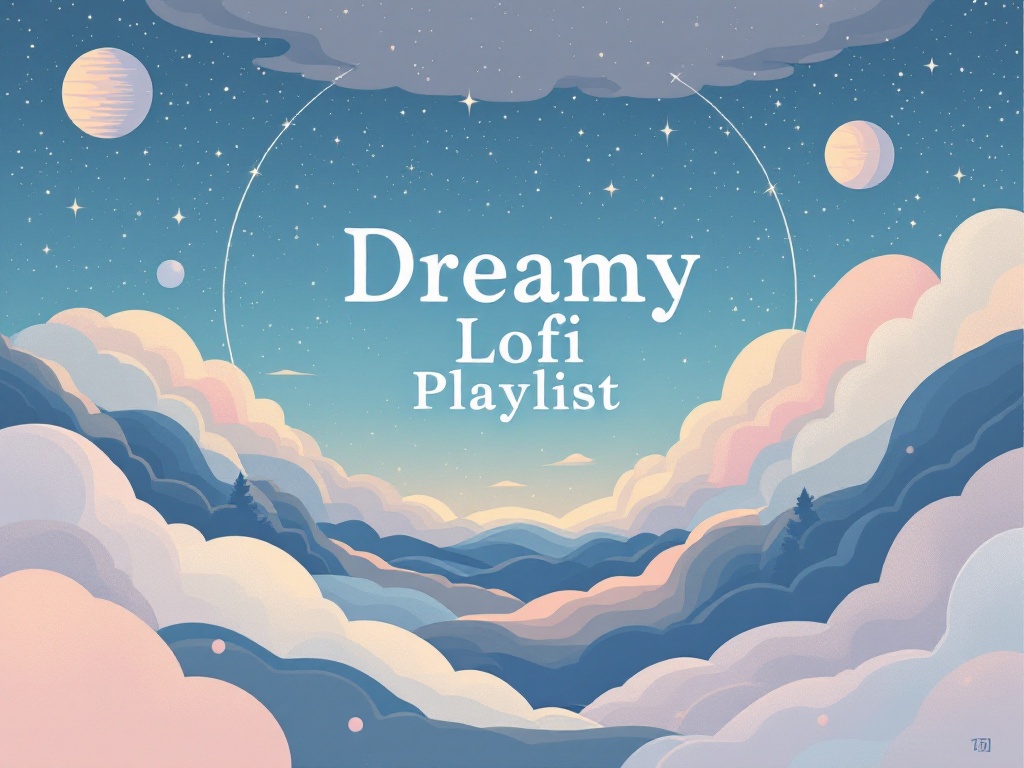
There's a moment between sleep and waking. The world softens. Time becomes fluid. Sounds stretch and warp like memories half-remembered. You're drifting through a landscape that feels familiar but impossible—a place where logic doesn't apply and emotion is the only compass. The music carries you deeper into this space, hazy and ethereal, wrapping around you like a dream you're trying to hold onto.
That's lo-fi dreamscape.
Lo-fi dreamscape creates an atmosphere of surreal, otherworldly immersion. It's music that feels like being inside a dream—abstract, hazy, nostalgic, emotionally resonant. The production is intentionally dreamlike, using effects, tape saturation, warped textures, and minimal instrumentation to create a sense of floating through a surreal landscape. It's the soundtrack to late-night introspection, sleep and meditation, creative exploration in abstract spaces, and the quiet magic of existing in a liminal dream state.
But what exactly defines lo-fi dreamscape? Why does it resonate so deeply with night owls, insomniacs, introspective listeners, and creative workers? How do you find playlists that capture that specific dreamlike vibe? And if you're a lo-fi producer, how do you create music that embodies this surreal aesthetic and reaches listeners seeking to drift through dreamscapes?
This guide explores everything about lo-fi dreamscape — what defines the aesthetic, why people love it, how to find playlists that capture it, how to build your own dreamscape playlist, discovering artists with this aesthetic, understanding the community, and how lo-fi producers can create dreamscape music and submit to curators actively seeking this vibe.
What Makes Lo-Fi "Dreamscape"?
Lo-fi dreamscape is defined by a specific combination of qualities that work together to create a surreal, otherworldly, dreamlike experience.
The Sound: Lo-fi dreamscape features intentional production that prioritizes surrealism, haziness, and dreamlike atmosphere. The music is primarily instrumental or features minimal, often distant or heavily processed vocals. The instrumentation is sparse and carefully chosen—floating pads, minimal melodies, atmospheric textures. The production emphasizes space, effects, and dreamlike qualities. There's heavy use of tape saturation, reverb, delay, and other effects that create a sense of floating through a dream. The BPM is typically 60-85, creating a slow, drifting energy that feels timeless and otherworldly. Every element contributes to the feeling of existing in a surreal landscape.
The Aesthetic: Lo-fi dreamscape carries a specific visual and emotional aesthetic. It's surreal—evoking dreamlike, impossible, abstract imagery. It's hazy—like memories or dreams that are fading or half-remembered. It's nostalgic—carrying a sense of remembering something that may never have existed. It's otherworldly—feeling like stepping into a realm where normal rules don't apply. The aesthetic feels liminal, like existing in a space between states—between sleep and waking, between memory and present, between reality and dream.
The Emotion: Lo-fi dreamscape carries emotional depth and introspection. It's music that invites reflection, processing, and emotional exploration. The emotion is authentic and vulnerable, even within abstract production. When you listen, you feel something—sadness, nostalgia, wonder, or the bittersweet feeling of remembering a dream.
The Atmosphere: Lo-fi dreamscape creates a complete surreal atmosphere. It's not just music playing in the background; it's a dreamscape you enter. The atmosphere is introspective, immersive, and emotionally safe. It invites you to slow down, reflect, process, and exist in a moment of surreal beauty.
The Lo-Fi Dreamscape Aesthetic: Surreal, Hazy, and Nostalgic
Understanding the lo-fi dreamscape aesthetic helps you recognize it, find it, and create it.
Surreal Quality: Lo-fi dreamscape has a surreal, abstract quality. The music feels otherworldly and dreamlike, like stepping into an impossible landscape. The production often features warped textures, experimental effects, unconventional sounds, and abstract instrumentation. The overall effect is that you're hearing music from inside a dream—beautiful, disorienting, and filled with emotional truth.
Hazy Resonance: Lo-fi dreamscape carries a hazy, dreamlike quality. There's a sense of memory, of things half-remembered, of floating through a space that's not quite clear. The haziness is created through production techniques like tape saturation, reverb, delay, and layering. It's the sense of drifting through a dream or memory that's slowly fading.
Nostalgic Immersion: Lo-fi dreamscape creates a nostalgic, emotionally resonant experience. The music feels like remembering something—a moment, a feeling, a dream you once had. It invites you to reflect on memory, emotion, and the passage of time. The nostalgia is bittersweet and introspective.
Vulnerable Warmth: Despite its surreal qualities, lo-fi dreamscape carries genuine emotional warmth and vulnerability. The music is inviting and deeply human. It acknowledges pain, memory, and emotion. It's music that says, "Your feelings matter. Your dreams matter. Your introspection matters."
Liminal Quality: Lo-fi dreamscape often has a liminal quality—existing in a space between states. Between sleep and waking. Between memory and present. Between reality and dream. This liminal feeling creates a unique emotional space where introspection and processing can happen.
Why People Love Lo-Fi Dreamscape
Understanding why lo-fi dreamscape resonates helps you appreciate its power and find your own connection to it.
Sleep and Rest Support: Lo-fi dreamscape creates an ideal environment for sleep and rest. The slow BPM, minimal instrumentation, and dreamlike atmosphere support natural sleep cycles. The music doesn't demand attention—it invites you to drift. For insomniacs and light sleepers, dreamscape lo-fi provides gentle companionship through the night.
Meditation and Introspection: Lo-fi dreamscape supports meditation, introspection, and emotional processing. The abstract, surreal quality creates space for reflection. The music doesn't tell you what to feel—it creates an environment where your own emotions can emerge and be processed. It's ideal for journaling, therapy work, or simply sitting with your feelings.
Late-Night Companionship: There's something specific about late-night moments with lo-fi dreamscape. The music becomes a companion during moments of solitude, reflection, and emotional exploration. It's music that understands the night owl, the insomniac, the person processing emotions in the quiet hours.
Creative Inspiration from Abstract Spaces: Lo-fi dreamscape carries genuine surrealism and abstraction. When you listen, your creativity awakens in unexpected ways. Artists use it for visual inspiration. Writers use it for exploring emotional landscapes. Designers use it for accessing abstract creative spaces. The music creates an environment where unconventional creativity flourishes.
Memory and Nostalgia Exploration: Lo-fi dreamscape invites exploration of memory and nostalgia. The music carries a sense of remembering, of drifting through the past. It's ideal for people exploring their own history, processing memories, or simply sitting with nostalgia.
Emotional Processing and Vulnerability: Lo-fi dreamscape creates a safe space for emotional processing. The vulnerable, introspective tone acknowledges that feelings matter. The abstract production creates distance while maintaining emotional authenticity. It's music for people processing grief, sadness, change, or simply sitting with complex emotions.
Escape into Surrealism: Lo-fi dreamscape creates an escape into a surreal, dreamlike world. Not escape from reality, but escape into a more introspective, abstract version of your experience. The music creates a space where you can exist more fully in your inner world.
Choose Your Dream State: Lo-Fi Dreamscape for Every Moment
The lo-fi dreamscape aesthetic works across different contexts and emotional states. Here's how to find the right dreamscape playlist for your specific moment.
Surreal and Warped: Pure experimental lo-fi with heavy effects, warped textures, and abstract sound design. These playlists are perfect for creative exploration, late-night introspection, and accessing unconventional creative spaces.
Ethereal and Minimal: Lo-fi dreamscape with sparse instrumentation, floating pads, and minimal melodies. These playlists are perfect for meditation, rest, and gentle introspection.
Hazy Nostalgia: Lo-fi dreamscape with strong nostalgic, memory-tinged qualities. These playlists feel like drifting through memories or half-remembered dreams. Perfect for emotional reflection and processing.
Sleepy Ambient Dream: Lo-fi dreamscape specifically designed for sleep and rest. These playlists carry a gentle, supportive quality that encourages natural sleep cycles.
Late-Night City Dream: Lo-fi dreamscape with an urban, late-night quality. These playlists feel like wandering through a city at night, reflecting and processing. Perfect for night owls and late-night introspection.
Tape-Saturated Vintage: Lo-fi dreamscape with strong vintage, tape-saturated qualities. These playlists carry a warm, analog, nostalgic feeling.
No-Vocals Deep Focus: Pure instrumental lo-fi dreamscape with absolutely no vocals. These playlists are ideal for maximum immersion in the dreamscape atmosphere.
Experimental Abstract: Lo-fi dreamscape pushing the boundaries of what lo-fi can be. These playlists feature unconventional instrumentation, experimental production, and abstract sound design.
Production Styles: How Lo-Fi Dreamscape Is Created
Understanding the production styles that create lo-fi dreamscape helps you discover music that resonates and appreciate the craft.
Experimental and Warped: Features heavy effects, warped textures, unconventional sounds, and abstract sound design. Creates a surreal, otherworldly atmosphere. Often uses granular synthesis, pitch-shifting, and creative distortion.
Ethereal and Minimal: Features sparse instrumentation, floating synth pads, minimal melodies, and lots of space. Creates a dreamlike, meditative atmosphere. Emphasizes atmosphere over rhythm.
Vintage and Tape-Saturated: Features warm, analog-sounding production, tape saturation, and vintage vibes. Creates a nostalgic, hazy atmosphere. Often uses analog recording techniques and vintage equipment.
Ambient Dreamscape: Emphasizes atmosphere and dreamlike space over rhythm. Minimal or no beats. Focus on textures, pads, effects, and environmental sounds. Creates an immersive, meditative, otherworldly atmosphere.
Reverb-Heavy Ethereal: Features heavy reverb and delay, creating a sense of space and distance. Instruments sound like they're echoing through a vast, dreamlike space.
Layered and Textural: Features multiple layers of instruments and textures, creating a rich, complex dreamscape. Each layer contributes to the overall surreal atmosphere.
What Makes a Quality Lo-Fi Dreamscape Playlist
Understanding what makes a quality lo-fi dreamscape playlist helps you evaluate playlists and appreciate the curation.
Consistent Dreamscape Aesthetic: Quality playlists maintain a consistent dreamscape aesthetic throughout. Every track feels surreal, hazy, and dreamlike. There are no jarring shifts in mood, production quality, or dreamscape vibe.
Genuine Emotional Depth: Quality playlists carry genuine emotional depth and introspection. You feel something when you listen—sadness, nostalgia, wonder, or the bittersweet feeling of remembering a dream. The emotion is authentic and present.
Atmospheric Immersion: Quality playlists create a complete dreamscape atmosphere. They're not just background music; they're a dreamscape you enter. The atmosphere is consistent and immersive throughout.
Thoughtful Curation: Quality playlists demonstrate thoughtful curation. The curator clearly understands the dreamscape aesthetic and has intentionally selected tracks that embody it. The playlist feels purposeful and cohesive.
Smooth Flow: Quality playlists flow smoothly from track to track. The transitions feel natural and dreamlike. The playlist feels like one cohesive dreamscape journey rather than a collection of separate songs.
Production Quality: Every track has intentional, warm production with dreamscape qualities. You can hear the care in the sound. The production is deliberate and cohesive across all tracks.
Dreamscape Elements: Quality lo-fi dreamscape playlists feature consistent dreamscape elements—effects, tape saturation, reverb, minimal instrumentation, hazy textures—that create the surreal atmosphere.
Regular Updates: Quality curators regularly refresh their playlists, introducing new artists while maintaining the dreamscape aesthetic. Fresh playlists stay engaging and introduce listeners to emerging dreamscape talent.
How to Find Lo-Fi Dreamscape Playlists
Finding playlists that capture the lo-fi dreamscape aesthetic is a journey. Here's how to identify quality.
Check the Curator's Vision: Who curated this playlist? Do they have a clear understanding of the lo-fi dreamscape aesthetic? Curators with strong vision create playlists that feel intentional and authentically dreamlike.
Scroll Through Tracks: Look at the playlist's track list. Do the tracks feel cohesive? Do they share similar production quality, BPM, and dreamscape aesthetic? Consistent playlists maintain the dreamscape vibe throughout.
Read the Description: Does the playlist have a clear description of its purpose and dreamscape aesthetic? Clear descriptions help you know if it matches your needs and the curator's vision.
Sample Multiple Tracks: Listen to 3-5 tracks from different parts of the playlist. Do they match the description? Do they feel quality? Do they capture the lo-fi dreamscape vibe? Trust your instincts.
Check for Dreamscape Elements: Do the tracks feature dreamscape elements—effects, tape saturation, reverb, minimal instrumentation, hazy textures? Quality dreamscape playlists consistently include these elements.
Check Update Frequency: Does the curator regularly update the playlist? Fresh playlists stay engaging and introduce new artists while maintaining the dreamscape aesthetic.
Explore Related Playlists: If you find one playlist you love, explore related playlists from the same curator or platform. You'll discover more music that captures the dreamscape vibe.
Follow Artists You Love: When you find a lo-fi dreamscape artist whose work resonates, follow them. Many artists create music specifically for this aesthetic, and following them helps you discover new releases.
How to Build Your Own Lo-Fi Dreamscape Playlist
Creating your own lo-fi dreamscape playlist is rewarding and helps you develop a deeper relationship with the aesthetic.
Define Your Specific Dream State: What's the specific dreamscape vibe you're creating? Surreal and warped? Ethereal and minimal? Hazy nostalgia? Sleepy ambient dream? Late-night city dream? Tape-saturated vintage? Your specific dream state shapes every decision.
Choose Your BPM Range: Lo-fi dreamscape typically works best at 60-85 BPM. Keep your entire playlist within this range to maintain consistent, drifting, timeless energy.
Select Tracks That Embody the Aesthetic: Listen to each track and ask: "Does this capture the lo-fi dreamscape aesthetic? Does it have dreamscape elements? Does it have warm, intentional production? Is it primarily instrumental? Does it carry genuine emotional depth? Does it resonate with me?" Trust your instincts.
Create a Dream Arc: Think about the emotional and dreamscape journey of your playlist. Does it start with gentle haziness and deepen into surrealism? Does it maintain consistent dreamscape energy throughout? Does it feel like drifting through a dream? A thoughtful dreamscape arc creates a more immersive experience.
Ensure Smooth Transitions: How do tracks flow into each other? Smooth transitions maintain momentum and create a seamless dreamscape journey. The playlist should feel like one cohesive dream rather than separate songs.
Test Your Playlist: Use your playlist during an actual session (sleep, meditation, late-night introspection, creative work). Does it support your needs? Does it maintain the dreamscape vibe throughout? Are there any jarring moments? Refine based on your experience.
Keep It Primarily Instrumental: Aim for 95-100% instrumental tracks. Vocals, even soft ones, can pull your attention and break the dreamscape immersion.
Maintain Aesthetic Consistency: Every track should feel like it belongs to the same dreamscape. Avoid tracks that feel out of place aesthetically, even if they're quality lo-fi.
Build to Optimal Length: Create playlists slightly longer than your typical session. A 2-3 hour playlist works well for sleep, meditation, or late-night introspection.
Rotate and Refresh: Over time, even the best playlist can become too familiar. Rotate between 2-3 playlists to keep your listening experience fresh while maintaining the dreamscape aesthetic.
Discovering Artists Creating Lo-Fi Dreamscape
Part of the joy of lo-fi dreamscape is discovering new artists who embody this aesthetic. Here's how to explore and find fresh talent.
Follow Curators: Curators actively seek artists who capture the lo-fi dreamscape aesthetic. Following curators helps you discover emerging artists before they become mainstream.
Explore Artist Pages: When you find an artist whose work captures the vibe, explore their full discography. Many lo-fi dreamscape artists have extensive catalogs of beautiful, surreal music.
Check Related Artists: Most streaming platforms show related artists. When you find an artist you love, explore their related artists to discover similar dreamscape creators.
Join Lo-Fi Dreamscape Communities: Online lo-fi communities (Reddit, Discord, social media) are filled with people sharing new lo-fi dreamscape artists and recommendations. These communities are welcoming and passionate about the aesthetic.
Support Independent Artists: Many lo-fi producers release dreamscape music independently. Supporting independent artists directly helps them continue creating surreal, introspective music.
Attend Lo-Fi Events: Some cities host lo-fi listening events, live performances, or community gatherings. These events help you discover artists and connect with the lo-fi dreamscape community.
The Lo-Fi Dreamscape Community
The lo-fi dreamscape aesthetic comes with a vibrant, introspective community. Understanding and engaging with this community deepens your connection to the aesthetic.
Online Spaces: Communities exist across Reddit, Discord, social media platforms, and streaming services. These spaces are filled with people sharing playlists, discussing the dreamscape aesthetic, supporting artists, and connecting over their love of lo-fi dreamscape music.
Night Owl and Insomniac Communities: Lo-fi dreamscape connects with night owls, insomniacs, and people seeking sleep support. These communities understand the late-night experience and the role music plays in rest and reflection.
Creative and Artistic Communities: Lo-fi dreamscape connects with artists, writers, designers, and creative workers seeking inspiration from abstract spaces. These communities celebrate unconventional creativity and emotional authenticity.
Mental Health and Wellness Communities: Lo-fi dreamscape connects with people seeking support for mental health, emotional processing, and wellness. These communities recognize the therapeutic power of music and introspection.
Fan Communities: Fan communities celebrate the aesthetic, create fan art, share playlists, and support the artists creating this music. These communities are warm, creative, and genuinely supportive.
Artist Appreciation: The community actively appreciates and supports lo-fi artists creating music with this aesthetic. There's genuine respect for the craft and the artists' commitment to emotional authenticity.
For Lo-Fi Producers: Creating Lo-Fi Dreamscape Music
If you're a lo-fi producer, understanding what defines the lo-fi dreamscape aesthetic helps you create music that resonates with listeners seeking this specific vibe.
Understand the Aesthetic: Study what defines lo-fi dreamscape. Listen to playlists that capture it. Understand the surreal quality, the hazy tone, the production techniques, the dreamscape elements, and the overall aesthetic. Immerse yourself in it.
Master Warm, Intentional Production: Create warm lo-fi production with intention and care. Invest in quality recording and production techniques. Use tape saturation, analog textures, and vintage vibes. The production should feel deliberate and dreamlike.
Develop Minimal, Cohesive Instrumentation: Create compositions with minimal, carefully chosen instrumentation. Focus on quality over quantity. Each instrument should serve the dreamscape aesthetic and contribute to the surreal atmosphere.
Incorporate Dreamscape Elements: Use effects, reverb, delay, tape saturation, and other production techniques that create a sense of floating through a dream. These elements are essential to the lo-fi dreamscape aesthetic. They create the sense of existing in a surreal landscape.
Prioritize Space and Atmosphere: Create music that emphasizes space and dreamscape atmosphere. Leave room for the listener to breathe and reflect. The music should create a dreamscape environment, not just fill silence.
Embrace Emotional Authenticity: Create music that carries genuine emotional depth and introspection. Your music should express something real—sadness, nostalgia, wonder, or the bittersweet feeling of remembering a dream. The emotion should be present even within abstract production.
Develop Your Identity: What's your specific approach to the lo-fi dreamscape aesthetic? Do you lean toward surreal and experimental? Ethereal and minimal? Hazy nostalgia? Sleepy ambient? Understanding your identity helps you attract the right listeners and curators.
Create Playlist-Friendly Tracks: Think about how your track functions in a playlist. Does it flow smoothly with other dreamscape lo-fi tracks? Does it maintain consistent dreamscape energy? Does it support the playlist's immersive purpose?
Use Clear Metadata: Tag your tracks accurately with metadata like "lo-fi dreamscape," "dreamscape lo-fi," "surreal lo-fi," "abstract lo-fi," "nostalgic lo-fi," "sleep lo-fi," "meditation lo-fi," "lo-fi," and your specific subgenre. Clear metadata helps curators find your music.
Build Your Catalog: Create multiple tracks demonstrating your commitment to the aesthetic. Curators look for artists with substantial catalogs. A strong catalog shows consistency and dedication.
Engage with the Community: Share your music, engage with other artists, support the lo-fi dreamscape community. The community is warm and supportive—genuine engagement matters.
How to Submit: Identify curators actively seeking lo-fi producers creating dreamscape music. Look for curators with clear vision and engaged audiences who understand and appreciate this aesthetic.
When you submit to music playlists, ensure your submission includes high-quality recordings with warm, intentional lo-fi production; accurate metadata tagged as "lo-fi dreamscape," "dreamscape lo-fi," "surreal lo-fi," "abstract lo-fi," "nostalgic lo-fi," "sleep lo-fi," "meditation lo-fi," or your specific subgenre; information about your musical approach, mood, instrumentation, dreamscape elements, and how your music serves listeners; and a brief note about your artistic vision and what inspired your dreamscape music.
Submit your lo-fi dreamscape music to Playlist Fire today: https://playlistfire.com/submit/
When you submit to music playlists like ours, you're connecting your work with people seeking sleep and rest support, with introspective listeners seeking emotional processing, with night owls and insomniacs seeking late-night companionship, with creative workers seeking inspiration from abstract spaces, with people exploring memory and nostalgia, with people seeking beautiful, surreal background music for their lives, and with a global community that understands and celebrates the lo-fi dreamscape aesthetic.
FAQ: Lo-Fi Dreamscape
What is a lo-fi dreamscape (and how is it different from dreamy lo-fi)?
Lo-fi dreamscape is defined by surreal, abstract, otherworldly, dreamlike qualities combined with hazy, nostalgic, memory-tinged elements. While dreamy lo-fi emphasizes emotional immersion, ethereal qualities, and soft melancholy, lo-fi dreamscape prioritizes the feeling of being inside a dream—surrealism, haziness, abstraction, and introspection. Dreamscape lo-fi features effects, warped textures, tape saturation, and experimental production that create a sense of floating through a surreal landscape. Dreamy lo-fi might be beautiful and emotional but lacks the surreal, abstract, dreamlike qualities that define lo-fi dreamscape.
What does lo-fi dreamscape music sound like (surreal vs hazy nostalgic)?
Lo-fi dreamscape music sounds like floating through a dream or half-remembered memory. The production features effects, reverb, delay, and tape saturation that create a sense of space and distance. Surreal dreamscape emphasizes experimental production, warped textures, and unconventional sounds that feel otherworldly. Hazy nostalgic dreamscape emphasizes warm, vintage vibes and the feeling of remembering something from the past. Both share a slow BPM (60-85), minimal instrumentation, and a focus on atmosphere over rhythm.
Is lo-fi dreamscape good for sleep and insomnia?
Yes, lo-fi dreamscape is excellent for sleep and insomnia. The slow BPM, minimal instrumentation, and dreamlike atmosphere support natural sleep cycles. The music doesn't demand attention—it invites you to drift. The gentle, introspective tone creates a safe, supportive environment for rest. Many lo-fi dreamscape playlists are specifically designed for sleep and rest. Look for playlists with "sleep," "rest," or "ambient" in their descriptions, and test them during your actual sleep time to find what works best for you.
Is lo-fi dreamscape good for meditation (or is it too abstract)?
Yes, lo-fi dreamscape is excellent for meditation. The abstract, surreal quality doesn't distract from meditation—it supports it. The music creates space for your own thoughts and feelings to emerge. The minimal instrumentation and focus on atmosphere allow you to sink deeper into your practice. The emotional authenticity of dreamscape lo-fi creates a safe container for introspection and processing. Whether you're meditating for relaxation, emotional processing, or spiritual practice, lo-fi dreamscape can support your experience.
What production techniques create a dreamscape vibe (tape haze, warp, pads, FX)?
Several production techniques embody the lo-fi dreamscape aesthetic. Tape saturation and analog warmth create a hazy, vintage feeling. Reverb and delay create a sense of space and distance. Pitch-shifting and granular synthesis create surreal, warped textures. Floating synth pads create ethereal, minimal atmospheres. Minimal melodies and sparse instrumentation create focus on atmosphere. Effects like chorus, flanger, and distortion create abstract, experimental qualities. Understanding these techniques helps you discover music that resonates with your dreamscape preferences.
How do I build a lo-fi dreamscape playlist with a "dream arc" that flows smoothly?
Define your specific dream state (surreal and warped, ethereal and minimal, hazy nostalgia, sleepy ambient, late-night city dream, tape-saturated vintage, no-vocals deep focus, or experimental abstract). Choose your BPM range (60-85 BPM for lo-fi dreamscape). Select tracks that embody the dreamscape aesthetic and resonate with you. Create a dream arc—does your playlist start with gentle haziness and deepen into surrealism? Does it maintain consistent dreamscape energy throughout? Does it feel like drifting through a dream? Ensure smooth transitions between tracks. Test your playlist during an actual session (sleep, meditation, late-night introspection, creative work) and refine based on your experience. Keep it primarily instrumental (95-100%). Maintain aesthetic consistency. Build it slightly longer than your typical session (2-3 hours works well).
How can producers submit to music playlist curators and get discovered with dreamscape lo-fi tracks?
Master the lo-fi dreamscape aesthetic: understand surreal qualities, hazy nostalgia, warm production, dreamscape elements like effects and tape saturation, minimal instrumentation, and the specific introspective tone. Develop your identity within the aesthetic. Create playlist-friendly tracks that flow smoothly with other dreamscape lo-fi music. Use clear metadata tagged as "lo-fi dreamscape," "dreamscape lo-fi," "surreal lo-fi," "abstract lo-fi," "nostalgic lo-fi," "sleep lo-fi," "meditation lo-fi," or your specific subgenre. Build a substantial catalog demonstrating commitment and consistency. Engage with the lo-fi dreamscape community genuinely. Identify curators actively seeking this aesthetic with clear vision and engaged audiences. Submit your music with a thoughtful pitch explaining your artistic vision and how your music embodies the lo-fi dreamscape aesthetic.
Your Dreamscape Awaits
There's something sacred about the lo-fi dreamscape moment. It's late night and you're processing emotions you've been holding. It's a meditation session and you're sinking deeper into your own inner landscape. It's a creative session and you're accessing abstract inspiration. It's bedtime and you're drifting toward sleep. The music plays, and suddenly the world feels more dreamlike, more surreal, more filled with emotional truth. You're not alone—millions of people are experiencing this same moment with the same music, the same aesthetic, the same sense of drifting through a dreamscape.
The lo-fi dreamscape aesthetic represents far more than a music genre. It represents a philosophy: that introspection is powerful, that emotions matter, that dreams are real, that memory is sacred, that creativity flourishes in abstract spaces, that rest is essential, and that music's greatest gift is creating space for the human heart to process, reflect, and dream fully.
Whether you're discovering lo-fi dreamscape for the first time, deepening your love of it, seeking the perfect dreamscape playlist, or creating beautiful music with this aesthetic, this resource celebrates what makes lo-fi dreamscape iconic and beloved.
Drift into your lo-fi dreamscape playlist, settle into your surreal landscape, and let the hazy, ethereal rhythm support your introspection, your creativity, your rest, and your life. Your dreamscape companion is here for you.