
Cat Stress Relief Music for Vet Visits: Calming Classical Piano for Anxious Cats
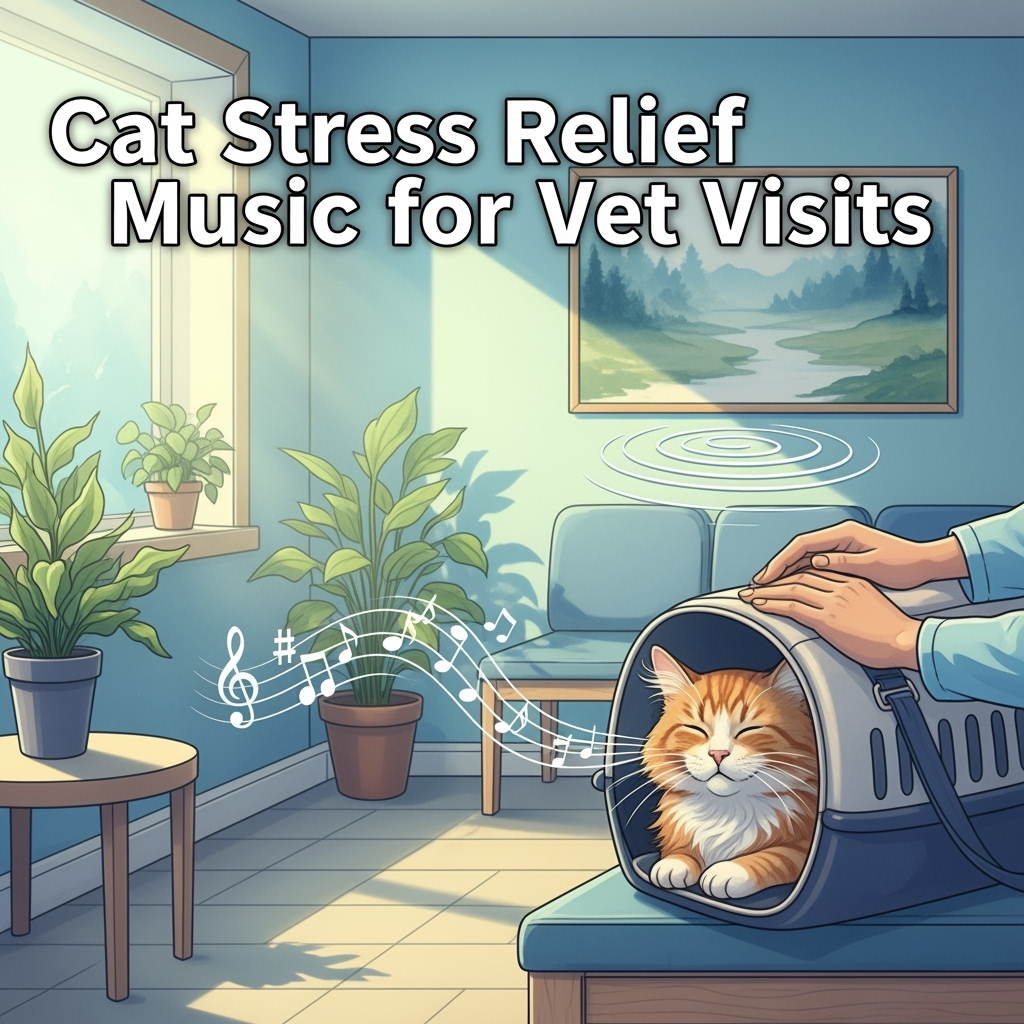
Vet visits are necessary. They're essential for your cat's health, for preventive care, for addressing medical issues, for keeping your cat alive and well. But they're also deeply stressful. The car ride. The unfamiliar environment. The handling by strangers. The sounds and smells of the clinic. The fear of pain or discomfort. The loss of control. All of it combines to create an experience that can traumatize sensitive cats and leave them anxious about vet visits for years to come.
As a cat owner, you want to help. You want to reduce your cat's stress. You want to make the experience less frightening. You want your cat to feel safe and supported, even in an environment that's inherently stressful. You want to create the conditions where your cat can stay calm, where their nervous system can settle, where they can experience the vet visit as something manageable rather than terrifying.
Music is one of the most powerful tools for creating this experience. The right music—classical, gentle, piano-focused, thoughtfully composed—can quiet your cat's nervous system before the appointment, provide calming support during the visit, and help your cat recover and decompress afterward. It can transform a traumatic experience into something your cat can handle. It can reduce stress hormones, lower heart rates, and create the acoustic conditions where calm becomes possible.
This playlist—Cat Stress Relief Music for Vet Visits—is a comprehensive collection of calming classical piano music designed specifically for cats experiencing stress during veterinary appointments, medical procedures, grooming, nail trims, and other vet-related situations. It's a definitive resource for cat owners seeking to support their cats through vet visits, for veterinarians and veterinary clinics looking to create calming environments in exam rooms and waiting areas, and for animal shelters and rescue organizations seeking to reduce stress in shelter cats and rescue animals.
Whether you're preparing your cat for an upcoming vet appointment, playing music during the car ride, supporting your cat through an exam or medical procedure, helping your cat recover after grooming or nail trims, or creating a calming environment in a veterinary clinic or shelter, this playlist delivers. It showcases the full breadth of what calming classical piano music can be—the range of composers, the variety of moods, the depth of composition, the timeless appeal.
Pure piano. Gentle compositions. Soothing arrangements. No harsh sounds, no sudden dynamics, no elements designed to startle or stress. Just the warm, comforting sound of classical piano music. Just carefully composed pieces designed to support calm and wellbeing. Just the sound of music that transforms vet visits from traumatic experiences into manageable moments of care.
Why Calming Classical Piano Music Works for Cats at the Vet
Cats are creatures of routine and control. They thrive in predictable environments where they understand what's happening and feel safe. Vet visits strip away both of those things. The environment is unfamiliar. The experience is unpredictable. Your cat has no control. Their nervous system goes into overdrive.
Classical piano music is one of the most effective tools for supporting cats through this experience because of its fundamental character. The tempo is moderate and predictable—not so fast that it's stimulating and stressful, not so slow that it feels mournful or heavy. The harmonies are rich and emotionally resonant but not overly complex or dissonant. The overall character is one of calm, gentleness, and ease. The composition is thoughtful, often with repetitive elements that create a sense of predictability and safety—exactly what stressed cats need.
When you play calming classical piano music for your cat before, during, and after a vet visit, something shifts. Your cat's nervous system begins to settle. Their body relaxes. The constant vigilance that stress creates begins to ease. They can breathe more deeply. Their heart rate can slow. They can experience moments of calm even in an inherently stressful situation.
The science supports this. Research has shown that classical music, particularly piano-focused classical music, can reduce stress hormones in cats, lower heart rates, and promote relaxation during stressful veterinary experiences. The gentle, predictable nature of classical piano music provides exactly the kind of acoustic environment that stressed cats need to feel supported.
Calming classical piano music for vet visits represents the essence of music for feline stress relief during medical care—music that respects the sensitivity of cats and provides genuine support during one of the most challenging experiences of their lives. It's music that creates the conditions for calm. It's music that transforms vet visits from traumatic experiences into manageable moments of care. It's music that supports your cat's wellbeing when they need it most.
Before the Appointment: Music for Carriers and Car Rides
The stress of a vet visit often begins before you even leave home. Your cat senses your intention. They see the carrier. They know what's coming. Their anxiety spikes.
Starting several days before the appointment, begin playing calming classical piano music in your home. Let your cat become familiar with the music. Let them associate it with safety and calm. This pre-conditioning is powerful. By the time the vet visit arrives, your cat already recognizes the music as a signal of safety.
On the day of the appointment, start playing the music before you bring out the carrier. Continue playing it as you prepare to leave. Play it during the car ride. The familiar music provides continuity and comfort. It signals to your cat's nervous system that even though the environment is changing, something familiar and safe is present.
For cats who are particularly anxious about car rides, this is transformative. The combination of motion, unfamiliar sounds, and confinement creates intense stress. Calming classical piano music provides an acoustic anchor—something familiar and soothing that helps your cat stay grounded.
Practical tips for using music during car rides:
Play the music at a moderate volume—loud enough to provide comfort but not so loud that it adds to the stress. Around 30-40 decibels is ideal. Avoid sudden volume changes, which can startle your cat.
If your cat is in a carrier, position the speaker so the sound reaches the carrier without being overwhelming. Some cat owners place a small Bluetooth speaker near the carrier.
Consider playing the same music consistently. Your cat will begin to recognize it and associate it with safety. Consistency is powerful for anxious cats.
If your cat is particularly anxious, you might start playing the music even before you get in the car—while you're still at home, preparing for the trip. This helps your cat's nervous system begin to settle before the car ride even begins.
At the Clinic: Waiting Room, Exam Room, and Medical Procedures
The vet clinic itself is a stressful environment for cats. The sounds are unfamiliar. The smells are overwhelming. There are other animals. There are strangers. There's the fear of what's coming.
If you're allowed to play music in the waiting room or exam room, bring a portable speaker and continue playing the calming classical piano music. The familiar music provides continuity from home to the clinic. It signals to your cat that even in this unfamiliar environment, something safe and familiar is present.
For veterinarians and veterinary clinic staff, playing calming classical piano music in exam rooms and waiting areas is one of the most effective ways to reduce stress in cats. Cats in calmer states are easier to examine. They're less likely to be aggressive or defensive. They're more likely to cooperate with necessary procedures. The music benefits both the cat and the veterinary team.
For veterinary clinics: creating a calming sound environment
Playing calming classical piano music softly in the background throughout the clinic creates a calming environment for all cats. The music should be gentle enough not to interfere with communication but consistent enough to provide acoustic support.
Consider playing the same playlist consistently. Cats who visit regularly will begin to recognize the music and associate it with the clinic. Over time, this can reduce anxiety in repeat visitors.
Volume is important. The music should be noticeable but not intrusive. Avoid sudden volume changes or jarring transitions between pieces.
For exam rooms, you might play the music at a slightly higher volume (still gentle, but more present) to help mask other clinic sounds and provide more direct support during examinations and procedures.
During medical procedures—injections, blood draws, ultrasounds, dental work—calming music can significantly reduce your cat's stress response. The music doesn't eliminate the discomfort of the procedure, but it provides support for your cat's nervous system, helping them stay calmer and recover more quickly.
Grooming and Nail Trims: At-Home and Professional Settings
Grooming and nail trims are stressful for many cats. The handling, the unfamiliar sensations, the loss of control—all of it can create anxiety. For some cats, grooming and nail trims are nearly as stressful as vet visits.
If you're grooming your cat at home or trimming their nails, play calming classical piano music before, during, and after the grooming session. The music helps your cat stay calmer during the process and recover more quickly afterward.
If you're taking your cat to a professional groomer, ask if they're willing to play calming music during the grooming session. Many groomers are open to this and recognize the benefits. You might even provide them with a link to this playlist or suggest they create their own calming music environment.
For professional groomers: creating a calming grooming environment
Playing calming classical piano music during grooming sessions can significantly reduce stress in cats. Calmer cats are easier to groom. They're less likely to struggle or become defensive. They're more likely to cooperate with necessary grooming tasks.
Consider playing the music softly in the background throughout your grooming space. The consistent, gentle presence of calming music creates an environment where cats can relax more easily.
For cats who are particularly anxious about grooming, you might play the music for several minutes before beginning the grooming session, allowing the cat's nervous system to settle before you start handling them.
After the Visit: Decompression and Recovery Routine
The stress of a vet visit doesn't end when you leave the clinic. Your cat needs time to decompress and recover. Their nervous system is still elevated. Their body is still processing the stress.
Continue playing calming classical piano music after you get home. Create a quiet, comfortable space where your cat can rest and recover. Let the music provide gentle support as your cat's nervous system settles back to baseline.
Some cats need a few hours of recovery time. Others need a full day or more. Pay attention to your cat's behavior. If your cat is hiding, not eating, or showing signs of continued stress, continue playing the music and give them space and time to recover.
Creating a post-vet recovery routine:
Play calming music in the room where your cat is resting. Keep the volume gentle and consistent.
Provide water, food (if your cat is willing to eat), and a comfortable resting space.
Minimize other stressors. Avoid loud noises, sudden movements, or interactions with other pets if possible.
Let your cat rest as much as they need. Some cats sleep for hours after a stressful vet visit. This is normal and healthy.
If your cat was prescribed medication or has post-procedure care instructions, continue playing calming music during the recovery period. The music supports your cat's healing and helps their nervous system settle.
For Veterinarians and Shelters: Setting Up a Calmer Sound Environment
If you're a veterinarian, veterinary technician, or work in an animal shelter or rescue organization, you understand the stress that cats experience during veterinary care and shelter intake. You see the anxiety, the fear, the defensive behaviors that result from stress.
Calming classical piano music is one of the most effective, non-invasive tools for reducing this stress. It benefits the cats, it benefits your staff (calmer cats are easier and safer to work with), and it benefits the overall environment of your clinic or shelter.
For veterinary clinics:
Install a sound system in your waiting room and exam rooms. Program it to play calming classical piano music softly in the background throughout the day.
Consider creating a dedicated "calming playlist" that plays consistently. Cats who visit regularly will begin to recognize the music and associate it with the clinic.
Train your staff on the benefits of calming music and how to use it effectively. Make sure the volume is appropriate and the music is playing during peak stress times (exams, procedures, nail trims).
Communicate with cat owners about the calming music. Let them know you're using it to reduce stress. Many owners will appreciate the effort and may even want to use the same music at home.
For animal shelters and rescue organizations:
Play calming classical piano music in the cat intake area, the shelter cat room, and any medical/quarantine areas. The music helps reduce stress in newly arrived cats, making the transition to shelter life less traumatic.
Use the music during medical exams and procedures. Calmer cats are easier to examine and treat.
Play the music in adoption areas. Calmer cats are more likely to interact positively with potential adopters, increasing adoption rates.
Consider playing the music during the night when the shelter is closed. Many shelter workers report that cats sleep better and are calmer overall when gentle music plays throughout the night.
The investment in a sound system and a calming music playlist is minimal compared to the benefits: reduced stress in cats, easier handling, faster recovery from procedures, better overall shelter environment, and increased adoption rates.
Understanding Cat Stress During Vet Visits: What's Really Happening
To understand why calming music is so effective, it helps to understand what's actually happening in your cat's body during a vet visit.
When your cat experiences stress, their sympathetic nervous system activates—the "fight or flight" response. Their body floods with stress hormones like cortisol and adrenaline. Their heart rate increases. Their muscles tense. Their pupils dilate. Their breathing becomes shallow. Their digestive system shuts down. Their immune system is suppressed. Every system in their body is primed for danger.
This response is useful if your cat is actually in danger. But during a vet visit, your cat isn't in danger—they're receiving care. Yet their nervous system doesn't know that. All they know is that they're in an unfamiliar environment, being handled by strangers, experiencing unfamiliar sensations. Their nervous system responds as if they're in danger.
Calming classical piano music works by activating your cat's parasympathetic nervous system—the "rest and digest" response. The gentle, predictable nature of the music signals to your cat's nervous system that they're safe. Their heart rate slows. Their muscles relax. Their breathing deepens. Their digestive system activates. Their immune system normalizes. Their body begins to recover from the stress response.
This doesn't happen instantly. It takes time. But with consistent exposure to calming music, your cat's nervous system learns to recognize the music as a signal of safety, and the relaxation response becomes faster and more pronounced.
This is why starting the music several days before the vet visit is so effective. Your cat's nervous system learns to associate the music with safety. By the time the vet visit arrives, the music is already triggering a relaxation response, making the entire experience less stressful.
The Full Range of Calming Classical Piano Music for Vet Stress
This playlist spans the complete range of calming classical piano music designed for cats experiencing stress during vet visits and other veterinary situations. You'll find calming music for cats at the vet selections that showcase the breadth and depth of soothing piano music. Music to calm cats before vet visit that prepares your cat's nervous system for the experience ahead. Cat calming music for car ride to vet that provides support during the journey. Calming music for cats in waiting room that helps your cat stay calm while waiting for their appointment. Music for vet exam room cats that supports your cat during examinations and procedures. Relaxing piano music for anxious cats that works beautifully for reducing feline stress. Stress relief music for cats after vet visit that supports decompression and recovery. Calming music for cats during medical procedures that helps your cat stay calm during injections, blood draws, and other procedures. Calming music for cats during grooming that reduces stress during grooming sessions. Music to calm cats for nail trims that helps your cat stay calm during nail trimming. Cat anxiety relief music for vet appointments that provides comprehensive support throughout the vet visit experience. Calming music for shelter cats stress that helps shelter cats adjust to their new environment. Calming classical music for rescue cats that supports rescue animals during intake and medical procedures. Veterinary clinic calming music for cats that creates a supportive sound environment for all cats in the clinic.
The playlist features classical piano compositions from the greatest composers in history. Some pieces emphasize the intimate beauty of solo piano. Others feature gentle orchestral accompaniment that never overwhelms the piano's central role. Some are sparse and intimate, others include richer textures and fuller arrangements. Some lean toward the romantic and emotionally expressive, others toward the minimalist and meditative. All of them share that essential quality: they represent the best of calming classical piano music for cats experiencing stress during vet visits and other veterinary situations.
Piano-First Classical: The Gentlest Composers and Pieces for Vet Stress
This playlist emphasizes piano-focused classical music because piano is the most soothing instrument for stressed cats. The warm, resonant tones of the piano are naturally calming. The range of dynamics is gentle and predictable. The compositions are often intimate and emotionally expressive without being overwhelming.
Erik Satie is perhaps the perfect composer for cats experiencing vet stress. His Gymnopédie series features simple, repetitive piano melodies that create a sense of calm and safety. The music is minimalist, predictable, and deeply soothing. Cats respond beautifully to Satie's gentle approach, especially during stressful situations.
Claude Debussy brings impressionistic beauty to piano music. Pieces like Clair de Lune feature gentle, flowing melodies and rich harmonies that create a sense of peace and beauty. The music is emotionally expressive without being dramatic or stressful.
Frédéric Chopin's nocturnes are among the most beautiful piano compositions ever written. These intimate, lyrical pieces feature gentle melodies and rich harmonies that create a sense of calm and safety. Cats respond beautifully to the predictable, flowing nature of nocturnes, especially during medical procedures.
Robert Schumann's Träumerei (Dreaming) is a perfect piece for stressed cats. The simple, beautiful melody and gentle harmonies create a sense of peace and safety. The piece is short enough to feel complete but long enough to provide meaningful calm during vet visits.
Johannes Brahms' intermezzos feature gentle, intimate piano music that's deeply calming. The pieces are emotionally expressive without being dramatic, making them ideal for cats experiencing vet stress.
Ludwig van Beethoven's slower movements, particularly the first movement of the Moonlight Sonata, feature beautiful, contemplative piano music that's deeply soothing and supportive during stressful experiences.
These composers and pieces represent the best of piano-focused classical music for cats experiencing vet stress. They're gentle, predictable, emotionally supportive, and deeply calming.
For Artists: How to Submit Music for Vet Stress Relief Playlists
If you're a classical pianist or composer creating calming piano music, you're working in a space with real demand and real appreciation. People actively seek out high-quality calming classical piano music for their cats during vet visits. Veterinarians, shelters, and rescue organizations are increasingly interested in music specifically designed to support cats during stressful veterinary experiences.
Understanding the vet stress relief music landscape: Calming classical piano music for vet stress is a thriving genre with dedicated listeners and curators. It's not a niche—it's a legitimate, respected musical space with centuries of classical tradition and contemporary innovation.
When you create calming classical piano music for vet stress, you're participating in a tradition that includes some of the greatest composers in history. You're also contributing to a contemporary landscape where classical piano music continues to evolve and support feline wellbeing during medical care.
How to submit to music playlist opportunities: The first step is identifying playlists that specifically feature calming classical piano music for vet stress and feline anxiety relief. Look for curators who are actively accepting submissions and who seem genuinely invested in the genre. At Playlist Fire, we're always looking for artists creating high-quality calming classical piano music across all styles and moods.
Most curators accept submissions through platforms like SubmitHub, Spotify for Artists, or direct submission forms on their websites. When you submit to music playlists, make sure your submission includes a clean, professional recording with appropriate levels for background listening, accurate metadata, information about your piano approach and the mood/vibe of the piece, and a brief note about your artistic vision for the track and its suitability for vet stress relief and feline anxiety contexts.
Submission tips: Master the fundamentals of classical piano composition. Study the work of foundational composers like Erik Satie, Claude Debussy, Frédéric Chopin, Robert Schumann, and Johannes Brahms. Understand what makes calming piano music distinctive—the gentle tempos, the rich but not overwhelming harmonies, the emotional expressiveness without drama. Then bring your own voice to it.
Develop a clear artistic identity. What's your approach to calming classical piano music? Are you emphasizing minimalist simplicity like Satie or romantic expressiveness like Chopin? Are you creating original compositions or reimagining classical pieces? Understanding your identity helps you identify the right playlists and curators.
Invest in quality recording and production. Piano music is all about the quality of the instrument and the recording. Invest in a quality piano, work with experienced recording engineers, and take time to get the recording right. For vet stress relief music, clarity, warmth, and appropriate dynamics are essential.
Consider the emotional character of your piece carefully. What mood are you creating? Is it peaceful and meditative? Romantic and expressive? Intimate and vulnerable? Understanding the emotional character helps you position your work correctly for vet stress contexts.
Make sure your metadata is clean and accurate. Your song title, artist name, genre tags, and mood descriptors should all be accurate and professional. For calming classical piano music for vet stress, make sure to tag it clearly as "classical," "piano," and include descriptors like "calming," "relaxing," "vet stress," "cat anxiety," or "medical stress" to help curators understand the context.
Write a thoughtful pitch. When you submit to music playlists, tell the curator about your approach. What piano style are you emphasizing? What's the mood and vibe of the piece? What contexts do you envision for this track—vet visits, medical procedures, grooming, shelter stress? A personal, genuine pitch goes a long way.
Research playlists carefully. Don't just submit to every playlist. Research curators who seem genuinely invested in calming classical piano music for vet stress and feline anxiety. Look at their existing playlists. Read their descriptions. Submit to playlists where your work genuinely fits.
Release strategically. Consider timing your releases with playlist pitching. Many curators prefer to add songs that are newly released (within the first few weeks).
Be patient and persistent. Not every submission will result in a playlist add, and that's okay. Keep creating, keep submitting, and keep improving. The more playlists you pitch to, the more opportunities you create for yourself.
FAQ: Questions About Cat Stress Relief Music for Vet Visits
Does music actually help calm cats during vet visits?
Yes. Research has shown that classical music, particularly piano-focused classical music, can reduce stress hormones in cats, lower heart rates, and promote relaxation during veterinary visits. The gentle, predictable nature of classical piano music provides exactly the kind of acoustic environment that stressed cats need to feel supported. That said, individual cats respond differently. Some cats respond beautifully to classical music, while others may prefer different types of music or silence. Pay attention to your cat's behavior and adjust accordingly.
What kind of music is best for cats at the vet (piano vs. orchestral)?
Piano-focused classical music is generally more effective for vet stress than full orchestral music because it's less complex, less likely to have sudden dynamic changes, and features the warm, resonant tones of the piano, which cats find naturally soothing. Orchestral music can sometimes include jarring transitions or unexpected volume changes that might stress cats further. That said, individual cats respond differently. Pay attention to your cat's behavior and adjust accordingly.
When should I start playing calming music before a vet appointment?
Ideally, start playing calming music several days before the appointment. This allows your cat's nervous system to become familiar with the music and associate it with safety. By the time the vet visit arrives, your cat already recognizes the music as a signal of calm. If you don't have several days, even starting the music the morning of the appointment is better than nothing. Consistency is more important than timing—the more regularly you play the music, the more effective it becomes.
What volume is safe for cats in a carrier or exam room?
For cats, less is often more. Play the music at a volume that's noticeable but not intrusive—around 30-40 decibels, soft enough that you can still have a conversation but loud enough to mask background noise and create a focused acoustic environment. Avoid sudden volume changes, which can startle your cat. In an exam room, you might play the music slightly louder to provide more direct support during procedures, but always keep it gentle and consistent.
Can vets play calming music in exam rooms and waiting areas?
Yes, absolutely. Many veterinary clinics are beginning to recognize the benefits of calming music for cats. If your vet doesn't currently play music, you might suggest it. Provide them with information about the benefits and perhaps recommend this playlist or a similar resource. Many vets are open to creating a calmer environment for their feline patients.
Can music reduce stress for shelter cats during intake or exams?
Yes. Playing calming classical piano music during shelter intake, medical exams, and quarantine periods can significantly reduce stress in shelter cats. Calmer cats adjust more quickly to shelter life, are easier to examine and treat, and are more likely to interact positively with potential adopters. If you work in a shelter or rescue organization, consider implementing calming music as part of your cat care protocol.
How long should I play calming music after a vet visit?
Continue playing the music as long as your cat seems to benefit from it. Some cats need a few hours of recovery time. Others need a full day or more. Pay attention to your cat's behavior. If your cat is hiding, not eating, or showing signs of continued stress, continue playing the music and give them space and time to recover. There's no harm in playing calming music longer than necessary—the worst that happens is your cat enjoys the music.
Ready to Share Your Calming Classical Piano Music? Submit Today
If you're a classical pianist or composer creating calming piano music—whether you're emphasizing minimalist simplicity or romantic expressiveness, whether you're creating original compositions or reimagining classical pieces, whether you're creating for vet stress relief or general feline anxiety—we want to hear from you. This playlist exists to discover new artists and to create a space where beautiful, soothing classical piano music can be heard by cat owners, veterinarians, shelters, and rescue organizations who appreciate it.
Submit your calming classical piano music to Playlist Fire today: https://playlistfire.com/submit/
When you submit to music playlists like ours, you're not just trying to get streams—you're connecting your work with cat owners seeking music to support their cats during stressful vet visits, with veterinarians and shelter workers seeking to create calmer environments for cats in their care, and with rescue organizations supporting vulnerable animals. You're creating the possibility that your music will support countless moments of feline calm during medical care, reducing stress and supporting healing. That's powerful.
We listen to every submission. We care about the quality of the composition, the warmth of the piano sound, the emotional authenticity of your approach, and the suitability of your work for vet stress relief and feline anxiety contexts. If your work is well-executed and brings something meaningful to the listening experience, we want to add it.
The Gift of Calming Music During Vet Care
There's something profound about supporting your cat through a stressful vet visit. It's a way of saying, "I see your fear. I understand your stress. I'm here to support you." It's a way of being present with your cat during one of the most challenging experiences of their life. It's a way of honoring the sensitivity and vulnerability of feline nature.
For veterinarians and shelter workers, creating a calming sound environment is a way of honoring the cats in your care. It's a way of reducing unnecessary suffering. It's a way of supporting healing and wellbeing during medical care.
Calming classical piano music represents the essence of music for feline stress relief during vet visits—music that creates the conditions for calm, that transforms a traumatic experience into something manageable, that supports your cat's wellbeing when they need it most. It's the sound of gentle composition. It's the sound of support. It's the sound that helps your cat get through a vet visit with less fear and more peace.
This playlist celebrates that essence. It showcases the full breadth of calming classical piano music—from minimalist simplicity to romantic expressiveness, from intimate solo piano to gently orchestrated arrangements, from timeless classics to contemporary compositions. Whether you're a cat owner preparing your cat